PSL Scale Test
Get your PSL score on the 1–8 scale from a photo, with the percentile it is converted from. Free, in your browser, no sign-up.
Example result (AI-generated sample face)
Your score
5.0 PSL
High-tier normie (HTN) · Top 17% · 6.9 / 10
One photo is accurate to about ±1.2 PSL. A different photo of you can score higher or lower.
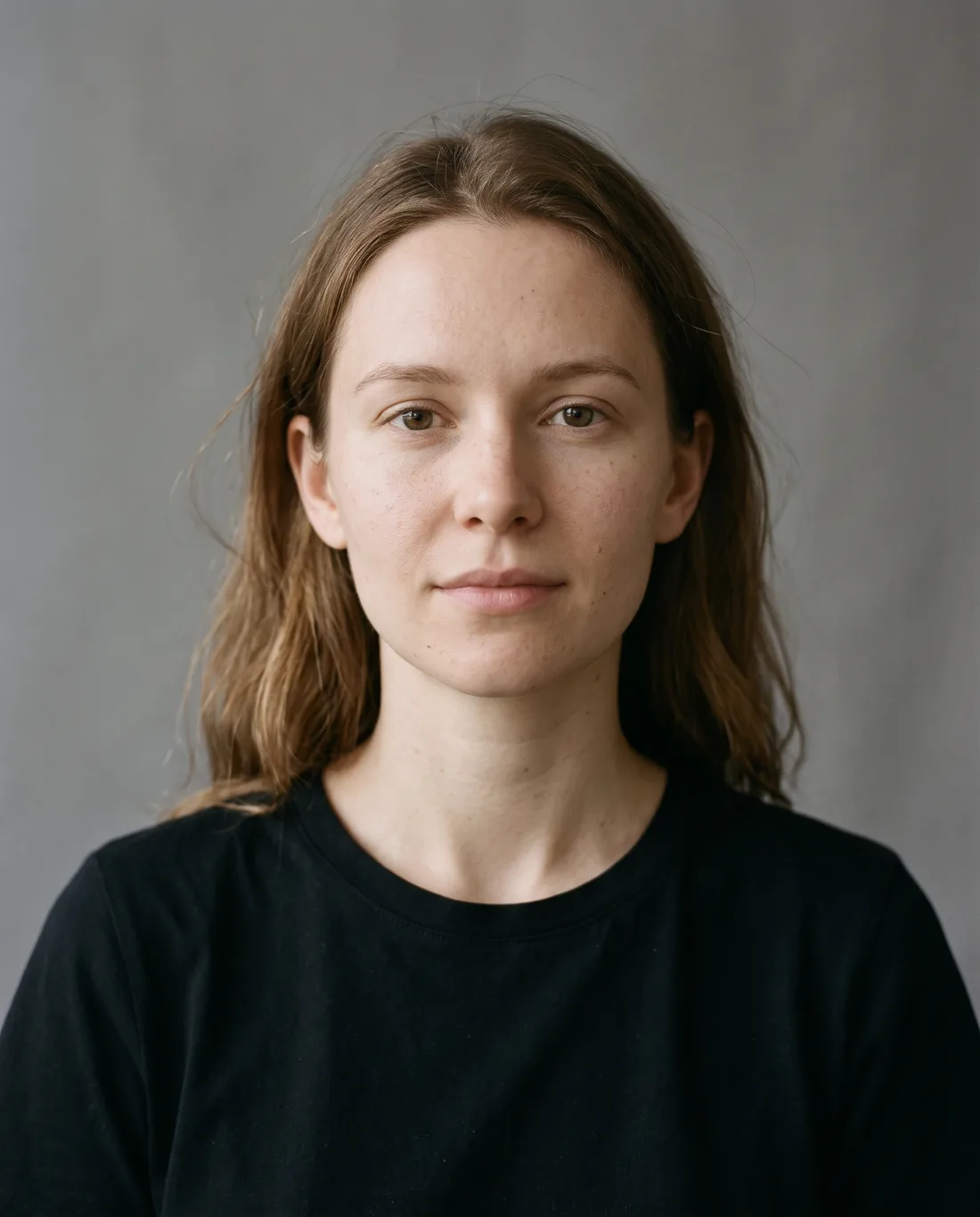 Symmetry 59Face contour 60
Components
- Overall harmony (Highest)
- 66
- Symmetry
- 59
- Face contour
- 60
- Feature proportions
- 56
- Softness (Lowest)
- 39
Measured separately. Your score is not their sum.
What is the PSL scale?
The PSL scale is a way of rating facial attractiveness from 1 to 8 that grew out of looksmaxxing forums. It is stricter than the everyday 1 to 10: the middle of the scale sits at 4, most people land between 3 and 5, and the top numbers are kept for a handful of faces. A PSL rating looks only at the face in a photo. Height, body, style and personality are left out on purpose.
There is no organisation behind it and no official chart. The tiers, their names and their cut-offs are forum conventions, and they differ from one community to the next.
PSL scale chart: tiers from 1 to 8
These are the tier names you will see most often, with the share of people our conversion places below each level.
| PSL | Tier name used on forums | Our conversion: higher than |
|---|---|---|
| 8 | Top of the scale | Not assigned by this test |
| 7 | Chad / Stacy | about 99.9% |
| 6 | Chadlite / Stacylite | about 98% |
| 5 | High-tier normie (HTN) | about 84% |
| 4 | Mid-tier normie (MTN) | 50% |
| 3 | Low-tier normie (LTN) | about 16% |
| 2 and below | Bottom of the scale | about 2% or fewer |
The tier names come from forum usage. The percentages come from our conversion, explained below. No published cut-offs, including these, have been validated against a population.
How we convert your result to a PSL score
The test first rates the photo with a neural network trained to predict how people rate faces. Checked against the average of 2,513 human raters, it agrees about as well as one typical person does. That rating is turned into a percentile: the share of adults of your gender and age group who score lower than you.
To express the percentile as a PSL score we use one stated rule. PSL 4 is the average, and each PSL point is one standard deviation, the usual statistical step: about 34% of people sit within one step above the average, 14% in the next and 2% in the one after.
| Score out of 10 | Higher than | PSL |
|---|---|---|
| 4.0 | 16% | 3.0 |
| 5.5 | 50% | 4.0 |
| 6.3 | 70% | 4.5 |
| 7.0 | 84% | 5.0 |
| 7.8 | 94% | 5.5 |
| 8.5 | 98% | 6.0 |
| 10 | 99.9% | 7.0 |
We show one decimal, and the test tops out at PSL 7.0, because a photo-based estimate cannot separate faces at the extreme end. The rule is our convention, not a standard. That is why the PSL number is always shown next to the percentile it came from.
How this PSL scale test works
1. Add a photo
Choose a photo from your device, or take one with your camera. It is processed in the browser and never uploaded. One photo gives one result, shown with the range it is accurate to.
2. Check your comparison group
The test works out from the photo whether to compare you with men or with women, and adjusts your PSL score for age automatically. For an exact comparison, set your age group under the result: a 45-year-old is then compared with people in their forties.
3. Read your PSL rating and tier
The result shows your PSL score, the tier name, the percentile and the 1 to 10 score it was converted from. Under it are component scores for overall harmony, symmetry, face contour and feature proportions, which describe the face separately from the PSL number. Photos turned more than 20 degrees or showing more than one face are refused with a reason.
PSL scale vs a 1–10 rating
People asked to rate faces from 1 to 10 are generous. Averages drift toward 6 or 7 and few faces get less than 4. The PSL scale was designed to resist that drift. Its midpoint is the real middle, and moving up one point means passing most of the people above you. A casual "7 out of 10" and PSL 7 are therefore very different claims: by our conversion PSL 7 is roughly one face in a thousand.
Our own 1 to 10 scale is also centered, with 5.5 as the true average, so the two numbers on your result always describe the same percentile.
Canthal tilt, FWHR and the other ratios
PSL discussions lean heavily on individual ratios: canthal tilt, facial width-to-height ratio (FWHR), the facial thirds, jaw angle. We measured 67 such ratios on about 38,000 faces from a public research dataset (FairFace) and checked two things for each.
First, does it survive a change of photo? Canthal tilt, FWHR and the thirds do reasonably well: most of what you measure is still there in another picture of the same person. Nose length, mouth width and anything involving the corners of the mouth do not, mainly because a smile moves them.
Second, does it predict how people rate the face? Barely. Against human ratings, the strongest single ratio we found reached a correlation of 0.28, where 1 would be perfect agreement, and canthal tilt and the thirds were close to zero. A ratio tells you how your face differs from the average. It does not tell you that the difference costs you anything, which is why this test takes its PSL score from the whole image and reports ratios as description only.
Is the PSL scale scientific?
No. The idea behind it, that some faces are rated higher on average and that this can be estimated from a photo, has research support. The PSL scale itself is a community habit. Its tiers have never been tied to measured population shares, its reference faces are retouched celebrity photos, and the canon it grew from leans toward one ethnic look.
Three practical limits follow. A PSL score describes a photo: lens distance, light and expression move it. It says nothing about attraction in person. And it is a poor basis for medical decisions. This site does not suggest procedures, and the paid report is limited to hair, grooming, styling and photography.
Your photo stays on your device
The PSL test runs entirely in your browser. Your photo is not uploaded, there is no account, and closing the tab removes the result. Share cards leave your photo out unless you choose to include it.
Beyond the number: the full report
The PSL score, tier and component scores are free. The individual ratios are in the full report: 46 facial measurements with your percentile on each, including the ones forums talk about most, such as canthal tilt, FWHR, the facial thirds, jaw angle and midface ratio. It also includes six hairstyle try-ons generated from your photo, a written analysis and an action list. One payment of $9.99, no subscription.
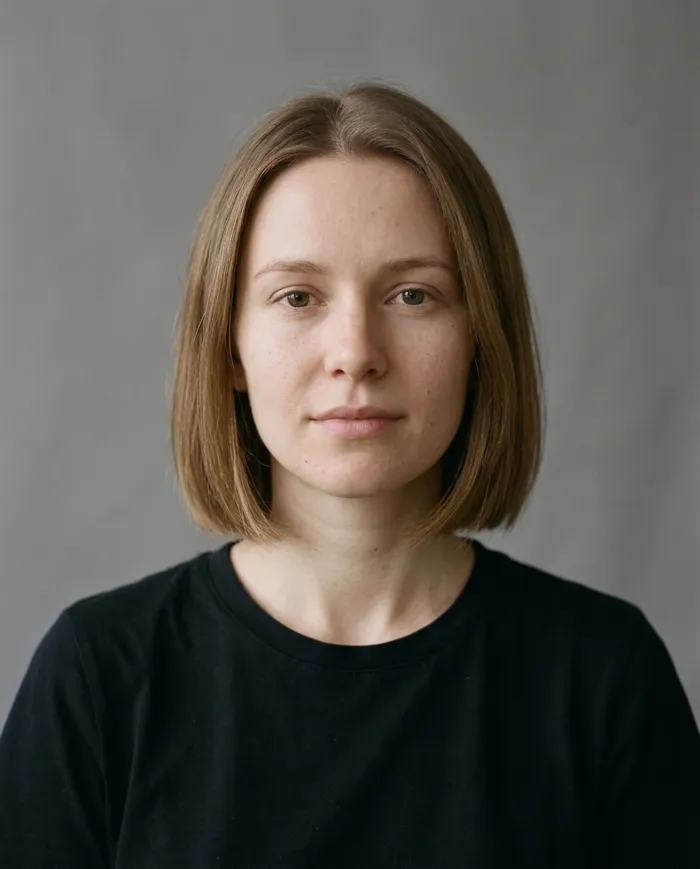
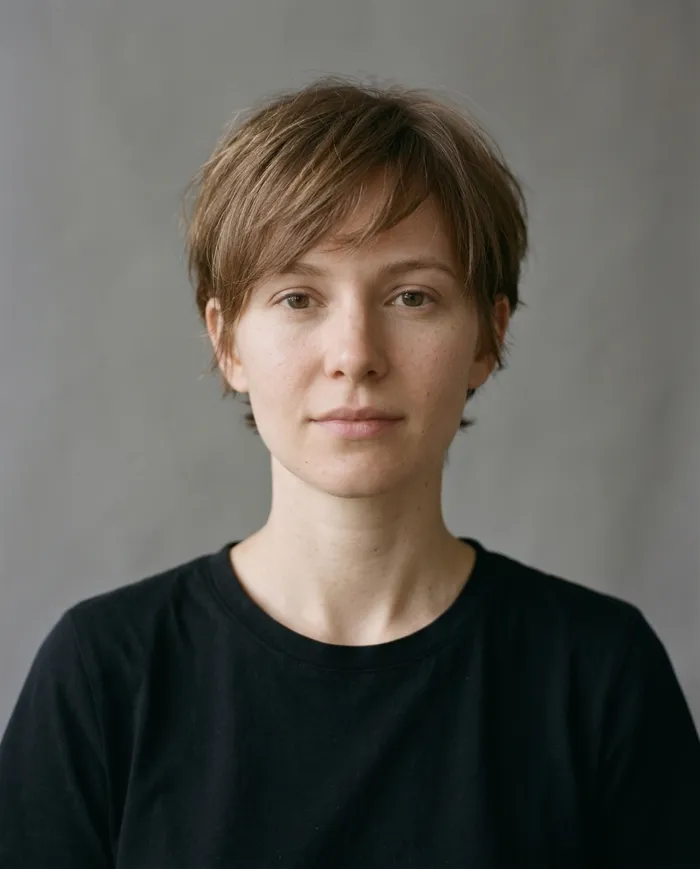
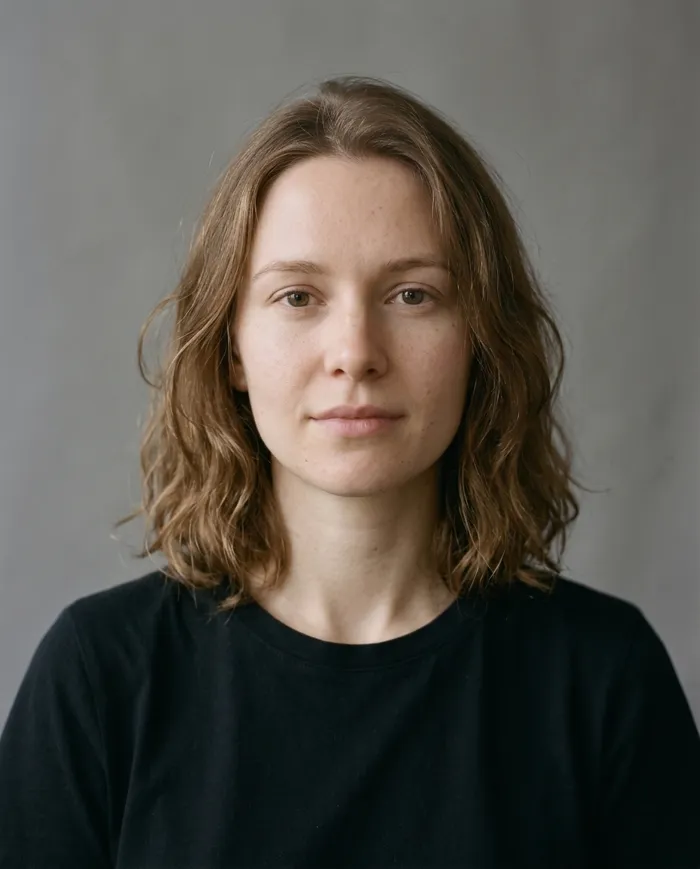
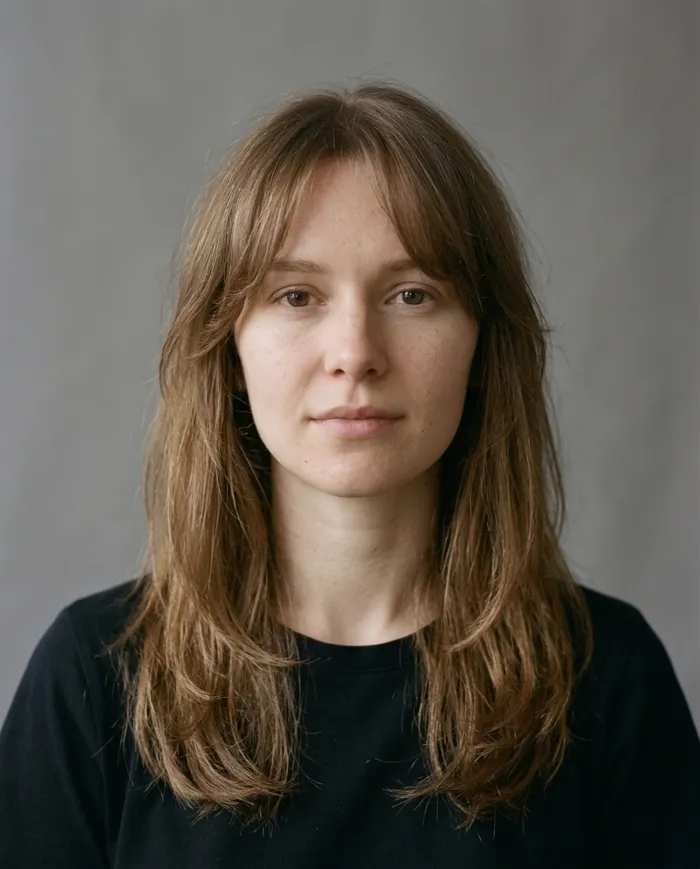
Example from an AI-generated sample face
PSL scale FAQ
What does PSL stand for?
The letters come from three forums where the scale took shape: PUAHate, SlutHate and Lookism. The name stuck after the first two closed.
Does the PSL scale test work for every ethnicity?
The reference group covers seven broad ethnic groups in equal numbers, and you are compared with everyone of your gender and age group, not within one ethnicity. Group averages in that data differ by up to 0.2 PSL among men and about 0.4 among women, a preference the model learned from its training ratings. Human ratings used to check the model came mostly from one studio set of young adults, so it is best tested on that kind of photo.
What is a good PSL score?
Anything above 4 is above average, since 4 is the midpoint by definition. Scores of 7 are rare enough that a single photo cannot establish them.
Is there a PSL scale for women?
The same scale is used for women, with female tier names such as Stacy and Stacylite. Here women are compared only with women of the same age group.
Why does my PSL score change between photos?
Because the photo changes. Angle, distance, light and expression are enough to move one person's result by more than half a PSL point between two pictures. Try more than one photo and read the range, not just the number.
Can I raise my PSL score?
Bone structure does not change from advice on a web page. What does change the number is what a photo captures: hair, brows, facial hair, skin condition, leanness, and how the photo is taken. We make no promise of a specific gain.
Which photo should I use for a PSL rating?
A front view in daylight, taken at arm's length or further, with nothing covering the face. Side profiles are not scored. A smile is allowed and adds about a quarter of a PSL point. Beauty filters change what is measured, so leave them off.